Strength Training After 60: The Ultimate Beginner’s Guide
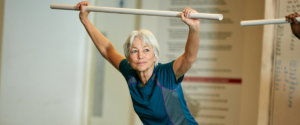
Let me say something that might surprise you: the best time to start strength training is not when you were 30. It is not even when you were 45. For many women, the most important and impactful time to start lifting weights is right now, in your 60s.
I know that might sound counterintuitive. Everything we hear about aging suggests we should be slowing down, being careful, protecting our joints. And yes, there is wisdom in being thoughtful about how we move as we get older. But there is a massive difference between being thoughtful and being sedentary. And the research on what happens to women who start strength training after 60 is genuinely exciting.
We are talking about stronger bones. More muscle mass. Better balance and coordination. Improved sleep. Higher energy levels. A lower risk of falls. A metabolism that works more efficiently. And something that does not show up in the data but that I have seen time and again: a quiet, grounded confidence that comes from knowing your body is capable.
If you have never lifted a weight in your life, this guide is for you. If you tried it once years ago and stopped, this guide is for you. If you are nervous about injury, about looking foolish, about not knowing what you are doing, this guide is especially for you.
Let’s start at the very beginning.
Table of Contents
Why Strength Training Matters More After 60 Than at Any Other Time
Here is the uncomfortable truth about aging and muscle: from around the age of 30, we naturally begin losing muscle mass at a rate of roughly 3 to 5 percent per decade. This process, called sarcopenia, accelerates after 60, and for women it often gets an additional push from the hormonal changes of menopause.
Less muscle means more than just feeling weaker. It means a slower metabolism, which makes weight management harder. It means less support around joints, which increases injury risk. It means reduced balance, which is one of the leading causes of falls and fractures in older adults. And it means a gradual loss of independence over time, as everyday tasks like carrying groceries, getting up from a chair, or climbing stairs become harder.
Here is the genuinely good news: muscle loss is not inevitable. Study after study shows that women who begin resistance training in their 60s, 70s, and even 80s not only stop the decline but actually reverse it. According to Harvard Health, regular strength training builds muscle at any age and is one of the most effective tools for healthy aging. You can build new muscle at 65. Your body is capable of getting stronger.
Strength training is also one of the most powerful things you can do for bone density, which matters enormously for women after menopause. The mechanical stress of lifting weights directly stimulates bone remodeling and density, and the Mayo Clinic lists resistance training as one of the top recommendations for preventing osteoporosis.
And then there are the benefits that are harder to measure but just as real: better posture, less back pain, improved mood, sharper mental focus, and the simple satisfaction of feeling strong in your body.
What Holds Most Women Back (And Why Those Fears Are Understandable)
Before we talk about how to start, I want to acknowledge the fears, because they are real and they deserve to be taken seriously.
Fear of injury. This is the most common one, and it makes complete sense. If you have never trained before, or if you have joint issues, past injuries, or conditions like osteoporosis or arthritis, the idea of lifting weights can feel genuinely risky. The truth is that properly structured strength training with appropriate weights is not just safe for women with these conditions, it is often specifically recommended by doctors and physiotherapists. The key word is appropriate. Starting light, learning form, and progressing gradually is how you build strength without getting hurt.
Fear of getting bulky. Women do not have the testosterone levels required to build the kind of muscle mass that looks bulky. What women build through strength training is lean, functional muscle that creates a toned, strong appearance. Even women who train seriously for years do not accidentally end up looking like bodybuilders. It simply does not work that way hormonally.
Not knowing what to do. Gyms can feel intimidating, especially if the weights area seems dominated by younger people who look like they know exactly what they are doing. This feeling is completely valid. But there are wonderful alternatives to the gym, including home workouts with basic equipment, that remove this barrier entirely.
What You Actually Need to Get Started
Here is the wonderful thing about getting started: you need almost nothing.
At minimum: A resistance band set (a pack of three costs around $15 to $20) and your own body weight are enough to begin a very effective strength training program. No gym membership required.
If you want to progress: A set of light dumbbells gives you more variety. Start with 2kg, 4kg, and 6kg options. You can find these secondhand very cheaply.
Useful extras: A yoga mat for floor exercises and a sturdy chair for balance support during standing exercises are genuinely helpful but not essential.
That is it. You do not need a home gym. You do not need a personal trainer. You just need to start.
The Principles That Make Strength Training Safe and Effective After 60
Start lighter than you think you need to. The first few weeks are about teaching your nervous system new movement patterns. Starting light protects your joints and tendons, which adapt more slowly than muscles. You will progress faster in the long run by being patient at the beginning.
Prioritize form over everything else. A perfect repetition with a light weight is worth ten sloppy repetitions with a heavy one. Poor form is how injuries happen.
Progress gradually. The principle that makes strength training work is called progressive overload: gradually increasing the challenge over time. This might mean adding a small amount of weight, doing one more repetition, or doing an extra set. Small, consistent steps forward over weeks and months create remarkable results.
Rest is not optional. Muscles grow and strengthen during rest, not during training. Aim to strength train two to three times per week with at least one rest day between sessions.
Warm up and cool down. Five to ten minutes of gentle movement before training prepares the body for exercise. Five minutes of gentle stretching afterward helps recovery. These bookends matter more as we age.
A Beginner Strength Training Routine for Women Over 60
This routine uses body weight and optional light dumbbells or a resistance band. It works the whole body and can be done at home in about 30 to 40 minutes. Aim to do this two to three times per week with rest days between.
For each exercise, start with one set of 8 to 10 repetitions. Over the first few weeks, build to two sets, then three. When three sets of 12 feel manageable, it is time to add a little more resistance.
1. Sit to Stand (Chair Squats)
This is one of the most functional exercises for strength training after 60 because it directly mirrors the movement of getting up from a chair, which we do dozens of times a day.
How to do it: Sit in a sturdy chair with your feet hip-width apart and flat on the floor. Lean slightly forward from the hips, then press through your heels to stand up fully. Pause at the top, then lower yourself back down slowly and with control.
What it strengthens: Thighs, glutes, core.
Make it easier: Use your hands on the chair arms for light assistance. Make it harder: Hold a light dumbbell at your chest.
2. Wall Push-Ups
A push-up performed standing against a wall is a genuinely effective upper body exercise that is joint-friendly and easy to scale.
How to do it: Stand facing a wall, about an arm’s length away. Place your palms flat on the wall at shoulder height and width. Bend your elbows to bring your chest toward the wall, keeping your body straight. Push back to the starting position.
What it strengthens: Chest, shoulders, triceps, core.
Make it easier: Move your feet closer to the wall. Make it harder: Move your feet further from the wall or progress to a countertop push-up.
3. Standing Hip Hinge
The hip hinge is one of the most important movement patterns for back health and functional strength. It teaches you to lift things from the floor safely, which is essential for everyday life.
How to do it: Stand with feet hip-width apart, soft bend in the knees, holding light dumbbells in front of your thighs. Push your hips back while lowering the dumbbells toward the floor. Keep your back flat and chest lifted. Return to standing by driving your hips forward.
What it strengthens: Hamstrings, glutes, lower back, core.
Start without weights until the movement feels natural.
4. Resistance Band Rows
This exercise is excellent for posture, which tends to suffer after years of sitting at desks or looking at phones.
How to do it: Sit in a chair and loop a resistance band around both feet. Hold one end in each hand with arms extended forward. Pull your elbows back toward your hips, squeezing your shoulder blades together at the end of the movement. Slowly return to the start.
What it strengthens: Upper back, rear shoulders, biceps.
5. Standing Calf Raises
Simple, effective, and important for ankle stability and reducing the risk of falls, which is one of the key benefits of strength training after 60.
How to do it: Stand behind a chair, holding the back lightly for balance. Rise up onto your toes as high as you comfortably can, pause, then slowly lower back down.
What it strengthens: Calves, ankles, balance.
6. Glute Bridge
One of the best exercises for the glutes and lower back, done lying on your back with no strain on joints.
How to do it: Lie on your back with knees bent and feet flat on the floor, hip-width apart. Press through your heels to lift your hips toward the ceiling, squeezing your glutes at the top. Hold for two seconds, then lower slowly.
What it strengthens: Glutes, hamstrings, lower back, core.
Make it harder: Hold the top position longer, or place a light dumbbell on your hips.
7. Bird Dog
This exercise improves core stability and coordination, both essential for balance and fall prevention.
How to do it: Start on all fours with your hands under your shoulders and knees under your hips. Slowly extend your right arm forward and your left leg back at the same time, keeping your back flat and hips level. Hold for two to three seconds, return to the start, and repeat on the other side.
What it strengthens: Core, lower back, glutes, shoulder stability.
How to Progress Your Strength Training After 60
Weeks one to four: Focus entirely on learning the movements. Use light resistance. Aim for two sessions per week. Notice how your body responds.
Weeks five to eight: Add a second set of each exercise. Begin to increase resistance very slightly if movements feel easy.
Month three onward: Work toward three sets per exercise. Introduce new variations or slightly heavier weights. Consider adding a third training day per week.
By month three, most women notice meaningful improvements in strength, energy, and how they feel moving through daily life. By month six, the changes can be remarkable.
Should You See a Doctor Before Starting?
If you have any health conditions, particularly osteoporosis, arthritis, heart conditions, or a recent joint replacement, please check in with your doctor before starting strength training after 60. Most will be enthusiastic supporters, but they may have specific modifications to suggest.
If budget allows, even two or three sessions with a personal trainer who has experience working with older adults can be incredibly valuable. Having someone watch your form in those first weeks and give you confidence that you are doing things safely is worth every penny.
If a trainer is not in the budget, many excellent guided programs for women over 60 are available on YouTube for free. Look for instructors who specifically work with older adults and emphasize form and safety.
The Bottom Line
Your body wants to be strong. It was built for movement, for lifting, for carrying, for climbing. The fact that you are in your 60s does not change that fundamental truth.
Strength training after 60 does not require a gym, expensive equipment, or hours of your week. It requires consistency, patience, and the decision to start. Two or three sessions a week. Basic movements done well. That is genuinely all it takes to begin transforming how your body feels and functions.
You do not have to be an athlete. You just have to begin.